
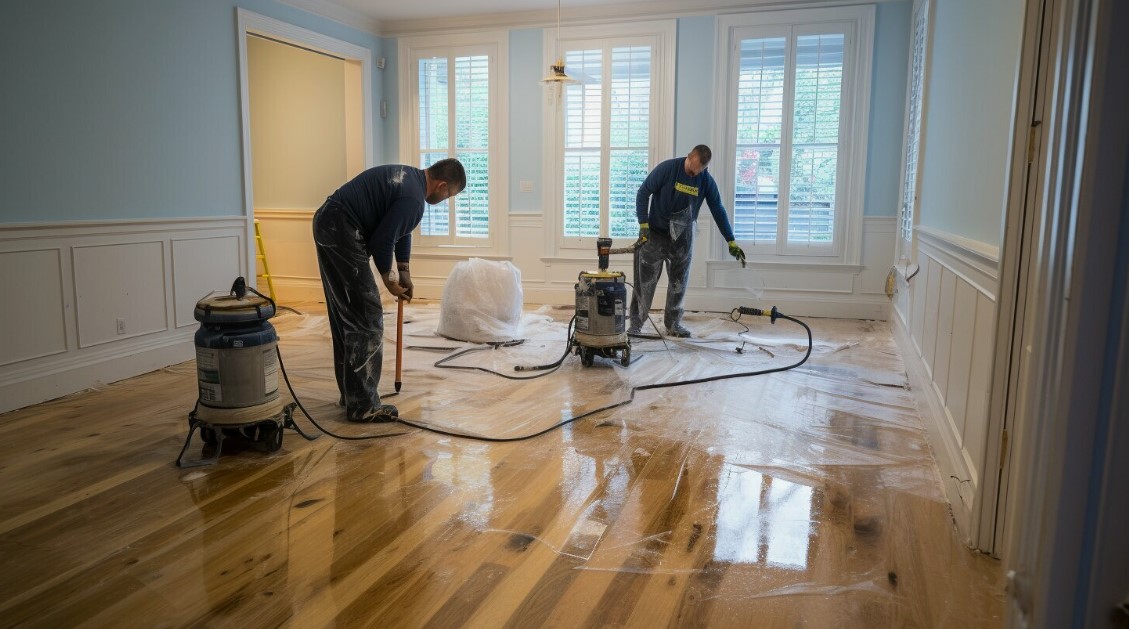
Water damage doesn’t always mean a large damp patch on the wall. Sometimes, it’s invisible. Swollen floorboards, damaged carpets, or a musty lingering smell. Any of these could be a sign of underlying water damage in your property. These signs could potentially escalate into bigger problems, causing significant property damage. This leaves both homeowners and insurers to navigate a situation that demands quick, informed action.
ReconstructTM steps into these moments with a clear purpose: to stabilise, restore, and protect the property while keeping claim processes smooth and predictable.
This blog explains what water damage restoration in Melbourne involves, why timing is so critical, and how trained specialists manage each step with precision.
What is Water Restoration?
Water restoration is a structured process that aims to restore a property to its original condition. It covers everything from the first inspection through to the final repairs. For insurers, this structured approach reduces long-term costs and prevents recurring damage. For homeowners, it offers a clear path back to safety and a return to normal living.
A complete building restoration service handles assessment, extraction, drying, sanitisation, and rebuilding. When each stage is executed correctly, the property is not only repaired but also protected from future complications.
What Are the Causes of Water Damage?
Many causes of water damage share a frustrating trait: they begin quietly and escalate quickly. Burst pipes, stormwater intrusion, roof leaks, failing appliances, compromised waterproofing: these are some of the most common causes. Slow, hidden leaks can be especially persistent, pushing moisture into structural timber and behind wall linings before anyone notices.
In areas prone to sudden weather changes, such as those requiring water damage restoration in Melbourne, unexpected storms make rapid intervention even more important.
What Are the Different Types of Water Damage?
Insurance executives need clear classifications to determine risk levels and approve correct restoration methods.
Water damage is generally divided into three categories:
- Clean water from supply lines or rainwater
- Greywater with mild contaminants from appliances or drainage issues
- Blackwater, the most severe, often involving sewage or floodwater
These categories aren’t technical formalities. They determine safety precautions, sanitisation measures, and the overall restoration timeline. They also influence claim decisions, salvageability assessments, and the scope of repairs.
Why Water Restoration is Important
Once water enters a property, it moves through materials faster than most people expect. Moisture can sink into flooring, insulation, substructures, and plasterboard. Mould often follows within days. Timber may warp, and internal framing can weaken over time. When restoration is delayed, both repair costs and insurance liabilities rise considerably.
Thorough restoration protects structural integrity, stabilises indoor air quality, and ensures compliance with insurance restoration services requirements. It also prevents secondary damages, an important factor for insurers aiming to reduce claim escalation.
Why DIY Isn’t Enough for Water Damage?
DIY responses, though well-intentioned, rarely address the full scope of a water incident. Surface-level drying can hide saturated underlays or internal cavities. Without industrial extraction systems, dehumidifiers, and moisture-detection equipment, invisible pockets of moisture persist. These trapped areas later develop mould or structural deterioration.
Insurers know how quickly a minor oversight can turn into a secondary claim. Professional intervention reduces risk, paperwork, and cost blowouts, all things that a simple DIY fix cannot guarantee.
Why You Should Hire a Water Restoration Expert
Restoration specialists handle water damage with trained precision. They identify what can be repaired, what needs to be replaced, and how to prevent future issues. Their documentation, moisture reports, and photographic evidence also streamline insurance claims.
ReconstructTM delivers water damage restoration in Melbourne with an approach built for both homeowners and insurers. For homeowners, it means efficient, respectful service. For insurance partners, it means predictable outcomes, reduced claim durations, and confidence that each site is restored to industry standards.
Step-by-Step Water Restoration Process
Step 1: Initial Inspection and Safety Check
Before any restoration can begin, a thorough inspection is required. Professionals will identify the cause, safety risks, and contamination level. They will also identify electrical hazards, weakened structures, and compromised materials early to prevent accidents and additional loss.
Step 2: Water Removal and Extraction
High-capacity pumps and extraction units remove standing water rapidly. Quick extraction minimises damage spread, shortens drying time, and reduces the likelihood of structural deterioration.
Step 3: Drying and Dehumidification
Mould is a big concern for water damage. Industrial-grade air movers and dehumidifiers are used to remove the moisture from the flooring, walls, and cavities. Moisture meters track progress until all materials reach safe drying levels. This is essential for preventing mould growth and protecting internal framing.
Step 4: Cleaning and Sanitisation
Contaminated areas are sanitised, deodorised, or removed as needed. Carpets, hard surfaces, and affected contents are treated according to the classification of water damage. This step protects both occupant health and the long-term stability of the structure.
Step 5: Repairs and Restoration
After the cleanup is done, repairs begin. Hiring a building restoration service ensures the entire process is carried out efficiently and in a coordinated manner. The restoration may involve various tasks, such as replacing plasterboard, flooring, cabinetry, insulation, or structural timber.
Step 6: Final Inspection and Air Quality Testing
Once the repairs are done, a final assessment is a must. It will check to confirm structural integrity, dryness, and air quality. Moisture levels are tested once more to ensure no areas have been left behind. This final test is necessary for peace of mind for property owners and to help insurers close claims with confidence.
Conclusion
Water damage may seem unpredictable, but the restoration process requires a structured approach. Every step is designed to support the next stage, reinforcing every action and preventing further damage, and restoring safety. This consistent, organised process provides homeowners with peace of mind and helps insurers manage claims efficiently.
ReconstructTM provides fast, reliable water damage restoration in Melbourne and complete insurance restoration services. Whether supporting a homeowner in crisis or partnering with an insurance provider seeking a trusted restoration team, our specialists deliver structured, compliant, cost-effective solutions.
Call 1300 402 528 and contact ReconstructTM to restore stability, protect property value, and ensure every claim is handled with precision and care.
